

Why choose a DONA certified doula?
Families who work with a DONA certified birth or postpartum doula know that they’re getting someone who has completed in-depth, high-quality, evidence-based training. DONA International upholds the highest standards for certified doulas, and you can rest assured that you will receive the highest level of support from a DONA certified doula!
The DONA International Advantage
DONA International doulas are the world’s best! We are the international leader in evidence-based doula training, certification and continuing education.
For over 25 years, we’ve been setting the global standard for our profession as the first, largest and most respected doula organization in the world (read more about our history). In that time, we’ve certified 13,000 doulas worldwide! The top names in the doula field- past, present and future- are likely to have our credentials behind their name, along with current DONA members around the world.
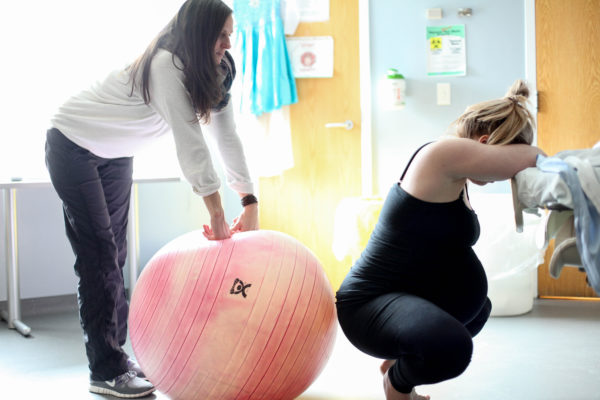
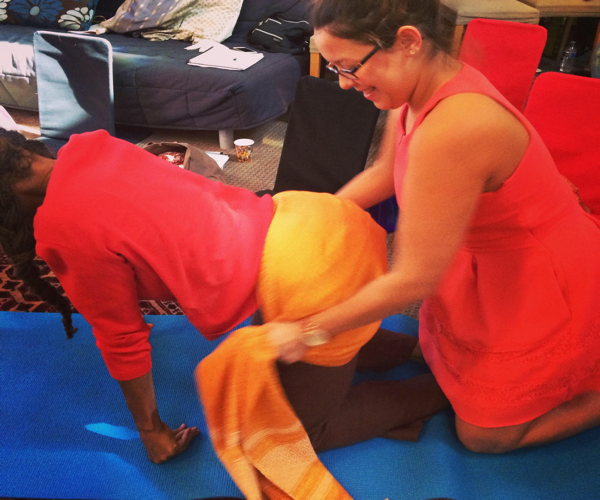
We’re Trusted!
The DONA International name is trusted and respected. We’re honored to be the world’s leading doula organization.
When the media, other birth organizations, medical professionals or just about anyone wants information about doulas, they seek out DONA International. We have a rich history, a solid mission and vision, and an ever growing membership of excellent doulas and professionals.
What sets DONA International apart?
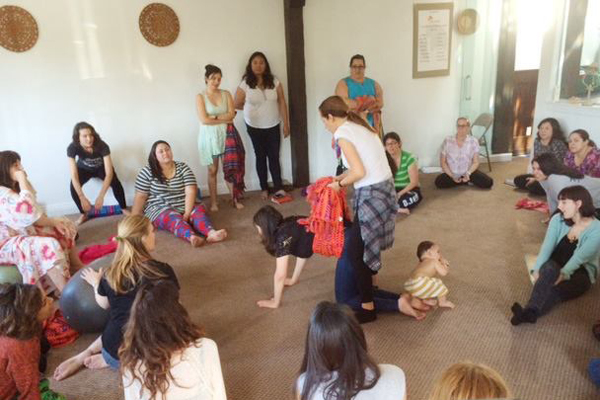
Our Training
Training as a DONA International doula is a thorough, in-depth process that leaves our doulas feeling confident and ready to serve families during one of the most important times in their lives. Learn more about the certification process. Our doulas get cutting edge classroom knowledge coupled with invaluable hands-on experience. If you want to find lasting success in this field, we believe that needs to start with a deep understanding of the support new parents need. That’s one reason why our training is so detailed and why we require continuing education for recertification. Doulas who train with us are in not search of the quickest or easiest way to earn a credential – they want training that will position them among the best in the world.
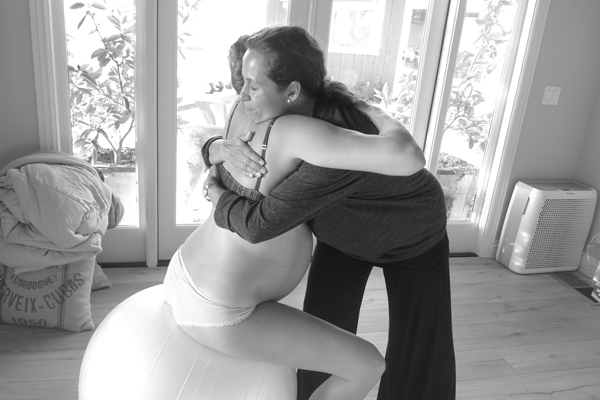
Our Support
DONA International is also clear in its support for the pregnant, birthing and postpartum people. Our code of ethics spells out the way our doulas support a woman’s choices without judgment and without trying to change her mind or convince her of anything. We support each family’s right to make decisions about their birth and postpartum experience. As one of our founders, Penny Simkin, reminds us, “The doula does not make decisions for you, or project their personal preferences on you. They help you get the information you need to make good decisions.”
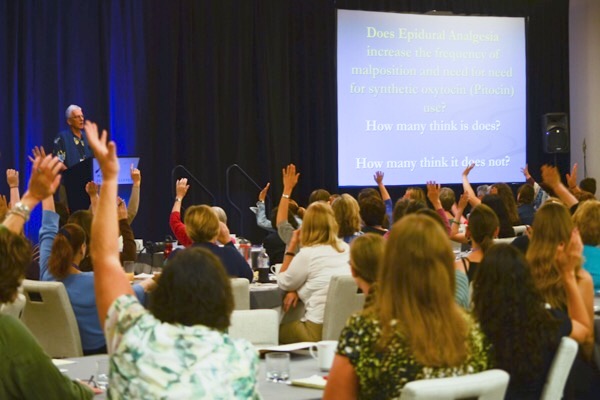
Our Professionalism
DONA International’s nonprofit status means that we exist only to serve our members and to carry out our mission, never to make a profit. Our professional management staff and our Board of Directors are all available to serve you. You can expect efficient and friendly responses to all your needs.
That level of professionalism is woven throughout all of our interactions. DONA International’s organizational culture includes speaking with integrity about families, caregivers and other organizations. Again and again, birth workers and other professionals look to our Code of Ethics and Standards of Practice as guiding principles for the entire industry.
DONA International members and leaders are exceptionally proud.
We are #DONAProud!
DONA International’s membership represents a diverse population of doulas world-wide. In a recent member survey, one thing was very clear: our membership is exceedingly proud to be a part of DONA International! Here’s a glimpse into some of the reasons our membership is proud to call DONA International their doula training and certification organization!